


As gardening season comes to an end, many of us are coming to terms with an unwelcome competition for our fruits and vegetables. As much as we love a good tomato or cabbage, there are plenty of creatures who love them even more than we do. The fight against insect and other animal pests is a defining feature of agriculture – animals love our food crops so much that some archaeologists think that the origins of agriculture were as much about eating the animals visiting our gardens as they were about the gardens themselves! Unless you’re a hunter or insectophile, this thought might offer little comfort. A casual search of Amazon or a visit to your local home and garden store offers dozens of chemical solutions to your animal pest needs, including pesticides, traps, and other insect doomsday devices. But as with many problems of modern life, this is something that humans have dealt with for a long time. While chemical solutions are effective for many people dealing with gardening woes, there is another low-tech solution that requires a different approach: rethinking how we plant our crops.


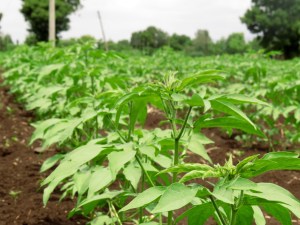
By mimicking naturally occurring systems and planting different kinds of crops in a field, polycultures and illegible agricultures solve this problem on their own. When interspersed in the field, mixtures of plants that enrich soil by drawing atmospheric nitrogen down into their roots or drop a heavy volume of nutrient-rich leaves each year ensure that the same compounds are not continually stripped from the soil and obviate the need for chemical fertilizers; a combination of strategically placed plants that attract pest-killing insects and birds, or draw target pests away from valuable plants, can work as effectively as pesticides; agriculture planted in lumps or mounds can take advantage of the natural landscape’s microclimates of water drainage or plant structure as crops reach up to the sun. This kind of farming usually requires a lot more human labor and plant knowledge because so few of these methods are things you can buy, like a fertilizer or pesticide package. However, this kind of knowledge-intensive polyculture is a foundational part of sustainable design systems like Permaculture and it underlies alternative agricultural work where I do research in India.


Andrew Flachs is an environmental anthropologist working to understand alternative farming practices around the world. He earned his PhD in anthropology at Washington University in St. Louis and currently works in Germany, where he studies biotechnology and organic agriculture in India. His scientific writing, photography, and writing for National Geographic can be found at: www.andrewflachs.com. A firm believer in doing too much, Andrew is an avid cyclist, cook, and musician whose work has been featured on the NPR tiny desk concert contest.